

Sandable Wood Primer
C2 SAP is a extremely fast-drying, water-based sandable primer made to build a smooth, even surface on woodwork and furniture. It fills minor grain, sands to a powder, and helps your finish coat lay down glass-smooth—perfect for cabinets, trim, doors, and MDF.
Resources
Why choose C2 SAP, high build sandable wood primer
- Sands super smooth: powders when sanded for a pro, factory-like base.
- Levels & hides: evens out grain, pores, and minor repairs for uniform color and sheen.
- Fast turnaround: dries quickly so you can sand and recoat multiple times in the same day(ready in 1-3 hours).
- Low odor, low VOC: comfortable to use indoors; soap-and-water cleanup.
- Brush, roll, or spray: forgiving application with excellent adhesion for finish coats.
When the use a sandable would primer
- Before any use of a trim or cabinet top coat like C2 Cabinet & Trim. It will get you an ultra smooth finish with extreme durability.
- Kitchen & bath cabinets, built-ins, doors, trim, wainscoting, and furniture.
- MDF panels and edges (great for sealing fuzzy edges before paint).
- Previously painted woodwork that needs a smoother, more uniform base.
Coverage & key specs
- Covers: ~350–450 sq ft per gallon (actual coverage varies with surface and method).
- Dry time: Touch-dry in about 30–60 minutes; sand/recoat in ~1–3 hours under normal conditions.
- Sheen: Flat, designed for sanding and topcoat adhesion.
- Application temp: Apply when air/surface/product are above 50°F (10°C). Protect from freezing.
- Cleanup: Warm, soapy water.
- Interior use only.
How to apply (step-by-step)
- Prep the surface: Clean off grease and wax. Fill large defects, let dry, then sand smooth. Scuff-sand glossy or previously painted areas; remove all dust (vacuum + tack cloth).
- Stir or shake well, we do not recommend thinning. Strain if spraying.
- First coat: Brush with a quality synthetic brush, roll with a thin nap microfiber/foam roller, or spray. Apply an even, properly loaded coat; avoid overspreading.
- Sand: When dry, sand lightly with 220-320 grit sandpaper until the surface powders and feels uniformly smooth. Remove dust with vacuum/cloth.
- Second coat (optional): Apply a second coat for maximum smoothness or on porous MDF edges; sand again as above.
- Topcoat: Finish with any interior top coat you prefer. Popular options are C2 Cabinet & Trim(best), Sherwin Williams Emerald Urethane, and Benjamin Moore "Advanced".
Pro tips
- Use a raking (side) light to spot surface flaws before top coating.
- MDF edges are thirsty. Prime, sand, and re-prime edges for the best result.
- Avoid heavy build on profiles and edges; multiple thin coats sand flatter and cure better.
- For severe stains (water, tannin, smoke), spot-prime first with a dedicated stain blocker before SAP.
FAQs
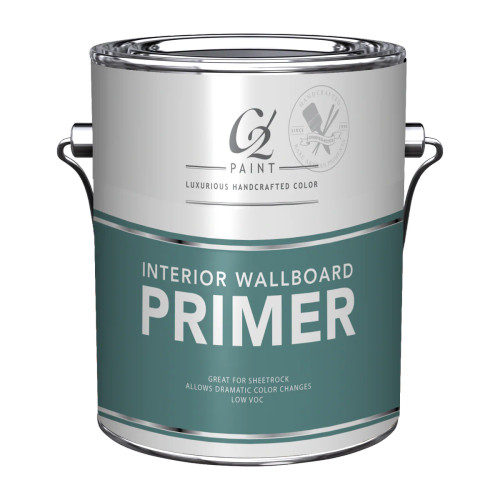
- What's the difference between this and Wallboard Primer?
- Wallboard Primer seals new drywall. SAP is a sandable build primer that levels woodwork and MDF for an ultra-smooth finish on cabinets, trim, doors, and furniture.
- How many coats do I need?
- Most projects look great with 1-2 coats. Add a second coat (with light sanding) for the smoothest, factory-like base—especially on MDF edges and open-grain woods.
- Can I use SAP on MDF?
- Yes. SAP is excellent on MDF. Prime, sand to a powder, and re-prime edges as needed before topcoating.
- Does SAP block stains?
- It evens porosity and provides a smooth base but is not a heavy-duty stain blocker. Spot-prime severe stains with a dedicated stain-blocking primer first.
- Is it OK under water-based or oil-based paints?
- Yes. Once fully dry, SAP can be topcoated with most quality interior finishes. Always test on a small area when using specialty coatings.